ARCHIVE CATEGORY // PLANETARY ATLAS
Planetary Atlas
A living cartographic record of every major body in the solar system — surface, interior, atmosphere, and moons.
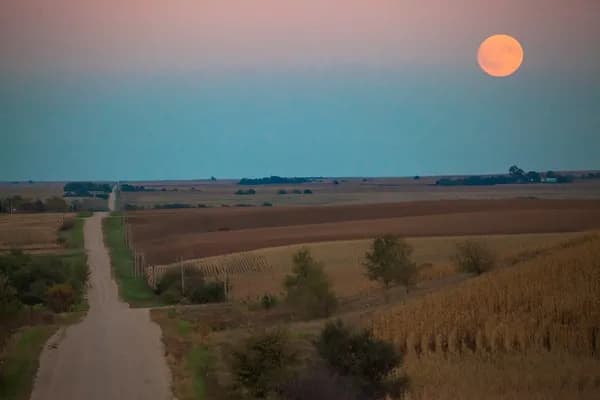
Europa is an ocean-world question, not a solved biology story
Europa's fractured ice shell and suspected global ocean make it a prime target for habitability studies, while the evidence still stops short of detecting life.
By ViewGalaxies Research Desk
Archive Logs
// 10 FilesPLANETARY ATLASEuropa is an ocean-world question, not a solved biology story
By ViewGalaxies Research Desk
Europa's fractured ice shell and suspected global ocean make it a prime target for habitability studies, while the evidence still stops short of detecting life.
 OCEAN WORLDS
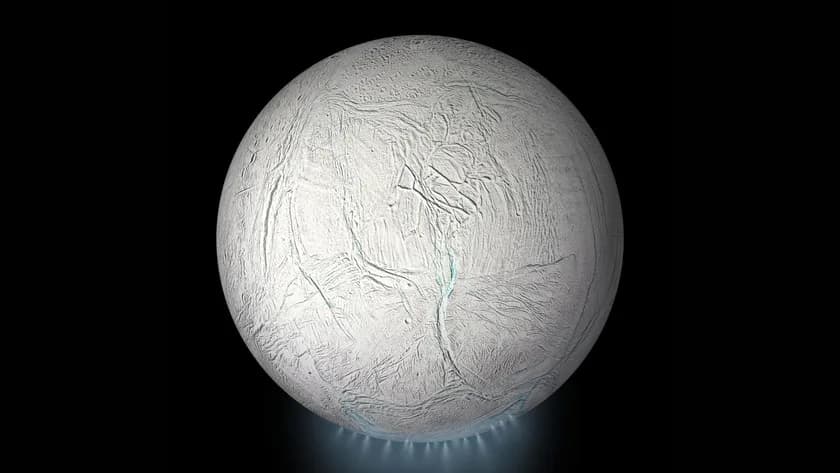
Enceladus turns a small moon into an ocean-world laboratory
By ViewGalaxies Research Desk
Cassini found water-rich plumes, salts, organics, and evidence of a global ocean beneath Enceladus's icy crust.
 MARS GEOLOGY
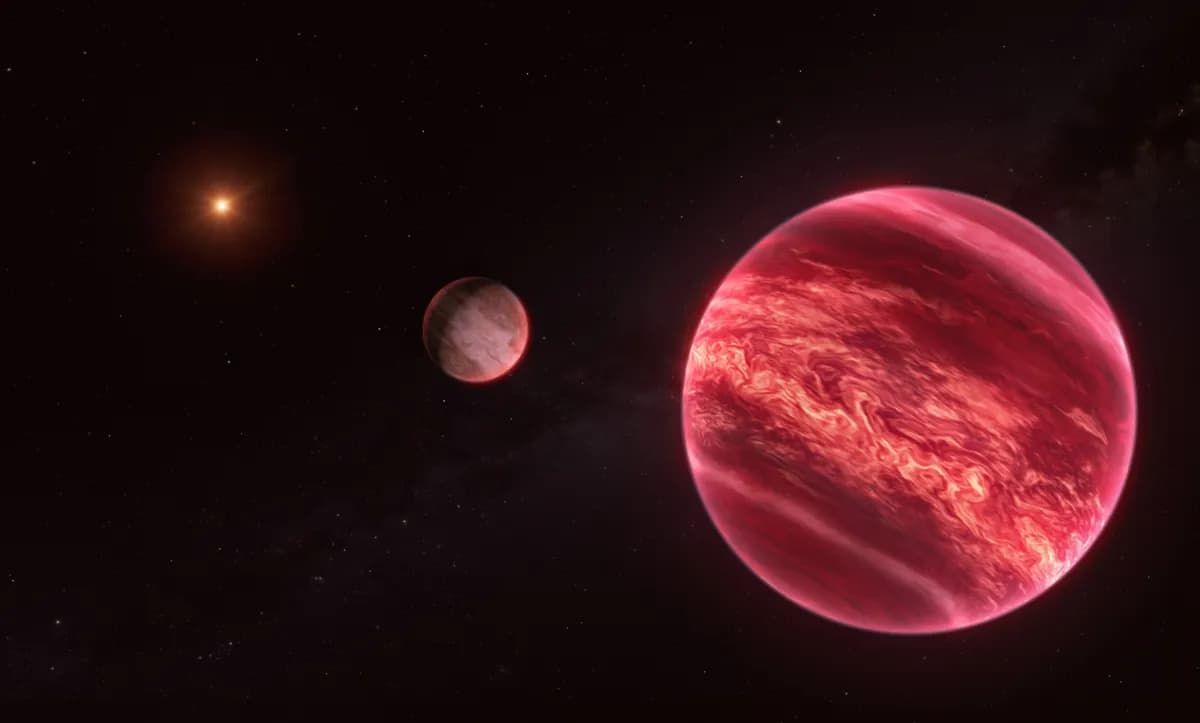
Mars lava tubes as natural shelters
By ViewGalaxies Research Desk
Orbital imaging and radar make buried lava tubes important candidates for studying volcanic history and planning future robotic exploration.
 EARTH
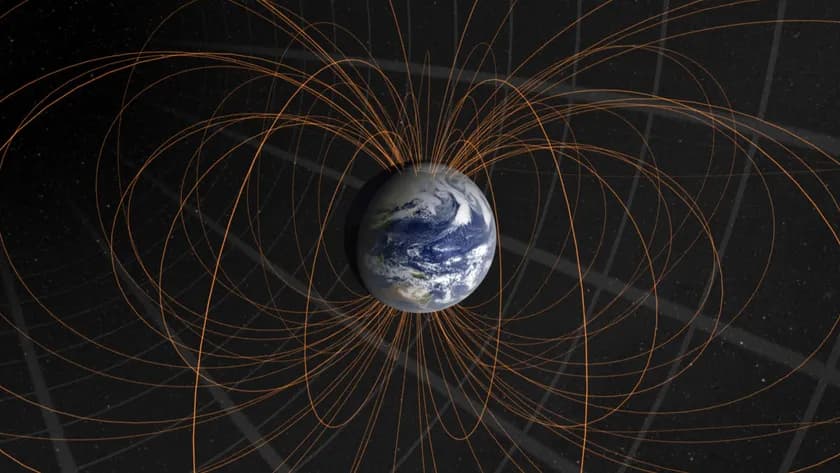
Earth's magnetic field is a shield, a sensor, and a changing system
By ViewGalaxies Research Desk
Earth's magnetic field deflects much of the solar wind, while satellites and ground observatories track how the field changes across space and time.
 VENUS
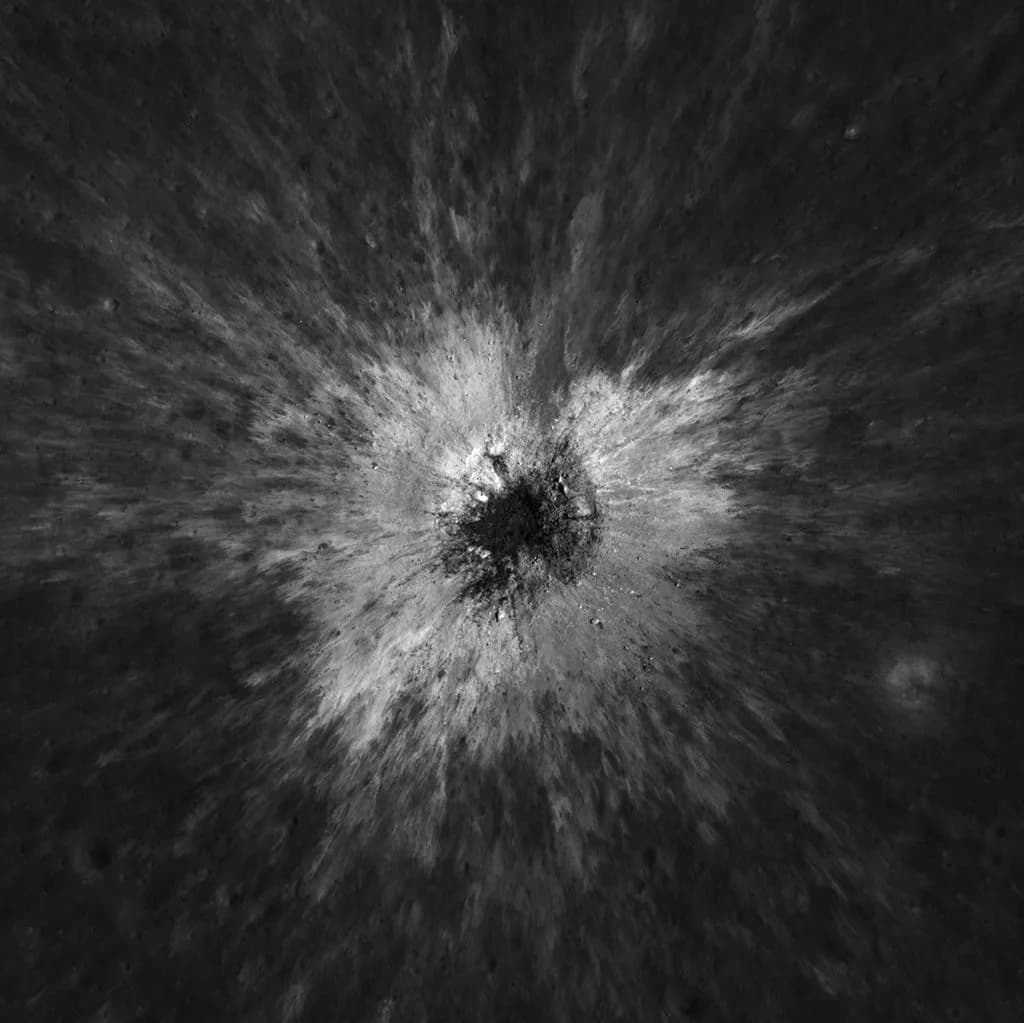
Venus clouds are chemistry under pressure
By ViewGalaxies Research Desk
Venus's cloud deck is chemically active and physically extreme, making it an important test case for atmospheric evolution and remote habitability studies.
 RINGS & MOONS
Cassini weighed Saturn's rings
By ViewGalaxies Research Desk
Cassini's final close orbits measured Saturn's gravity field closely enough to improve estimates of the rings' mass and likely age.
DWARF PLANETSPluto's nitrogen ice moves like a slow glacier
By ViewGalaxies Research Desk
New Horizons revealed that Pluto's nitrogen-rich Sputnik Planitia is an active landscape where volatile ice can flow and renew the surface.
GAS GIANTSJuno mapped the depth of Jupiter's Great Red Spot
By ViewGalaxies Research Desk
Juno measurements show that Jupiter's Great Red Spot reaches far below the visible cloud tops, making it a deep atmospheric structure rather than a surface stain.
INNER SOLAR SYSTEMMercury keeps water ice in permanent shadow
By ViewGalaxies Research Desk
Despite extreme daytime heat, permanently shadowed polar craters on Mercury can remain cold enough to preserve water ice.
 LUNAR GEOLOGY
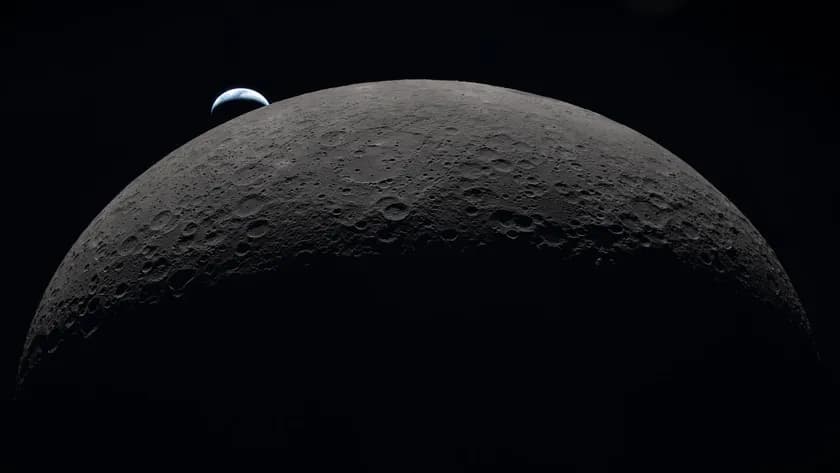
Moon dust is a record of impacts, chemistry, and exploration
By ViewGalaxies Research Desk
Lunar regolith preserves a long exposure history, but unusual grains are not evidence of hidden technology without repeatable measurements and a natural explanation being ruled out.
The ViewGalaxies Transmission
Get the latest aerospace telemetry, mission updates, and deep sky discoveries delivered directly to your terminal.