LUNAR GEOLOGY
Moon dust is a record of impacts, chemistry, and exploration
Lunar regolith preserves a long exposure history, but unusual grains are not evidence of hidden technology without repeatable measurements and a natural explanation being ruled out.
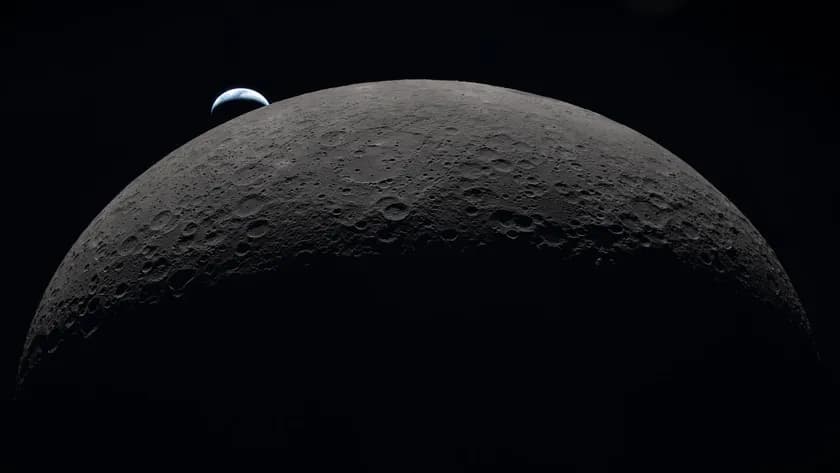
What the evidence actually shows
Airless surfaces accumulate material from micrometeoroid impacts and solar-wind exposure. Researchers distinguish unusual samples by mineralogy, isotopes, texture, and context—not by visual strangeness alone.
Why this matters
The strongest search-for-life and search-for-artifacts work is conservative by design. Extraordinary interpretations become useful only when ordinary geology cannot explain the same measurements.
“Curiosity opens the sample bag; measurement decides what is inside.”
Evidence ladder
- ▸Image anomaly.
- ▸Repeat observation.
- ▸Laboratory composition and context.
- ▸Independent confirmation.
Source and method notes▼
Sources
- NASA Science— NASA facts about Mercury's permanently shadowed polar craters and water ice.
Article by
ViewGalaxies Research Desk
Establish Telemetry Link
Receive raw telemetry, mission updates, and deep sky discoveries delivered directly to your terminal.