SKYWATCHING
Daytime meteor observing is a geometry problem
Daytime meteor showers are difficult to observe because sunlight overwhelms faint streaks, so successful observing depends on radiant position, timing, and careful dawn searches.
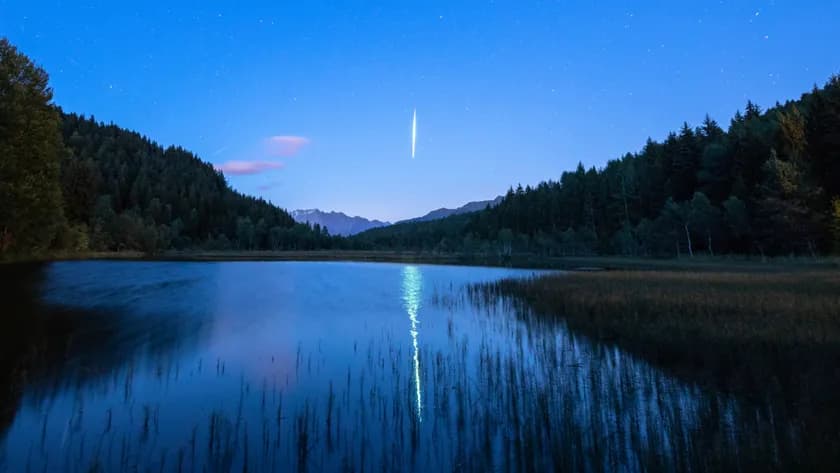
What the evidence actually shows
The Sun does not make meteors disappear; it makes their visible contrast disappear. Observers therefore work close to dawn, use a clear eastern horizon, and treat radio or radar observations as important companions to visual reports.
Why this matters
This is a good example of how the observing method must follow the signal. When the eye is the wrong detector, the shower still remains measurable with a different instrument.
“Not seeing a meteor is not the same as measuring no meteors.”
Field checklist
- ▸Choose a clear horizon toward the radiant.
- ▸Avoid direct sunlight and record the limiting magnitude.
- ▸Use a radio or radar network when optical contrast is insufficient.
Source and method notes▼
Sources
- International Meteor Organization— International Meteor Organization observing resources and meteor-shower methodology.
Article by
ViewGalaxies Research Desk
Establish Telemetry Link
Receive raw telemetry, mission updates, and deep sky discoveries delivered directly to your terminal.