SOLAR SYSTEM
Why new lunar craters are hard to date
BY ViewGalaxies Research DeskARCHIVE RECORD1 min read
Fresh lunar impacts can reveal how often small bodies strike the Moon, but dating a new crater depends on before-and-after imagery and careful surface comparison.
What the evidence actually shows
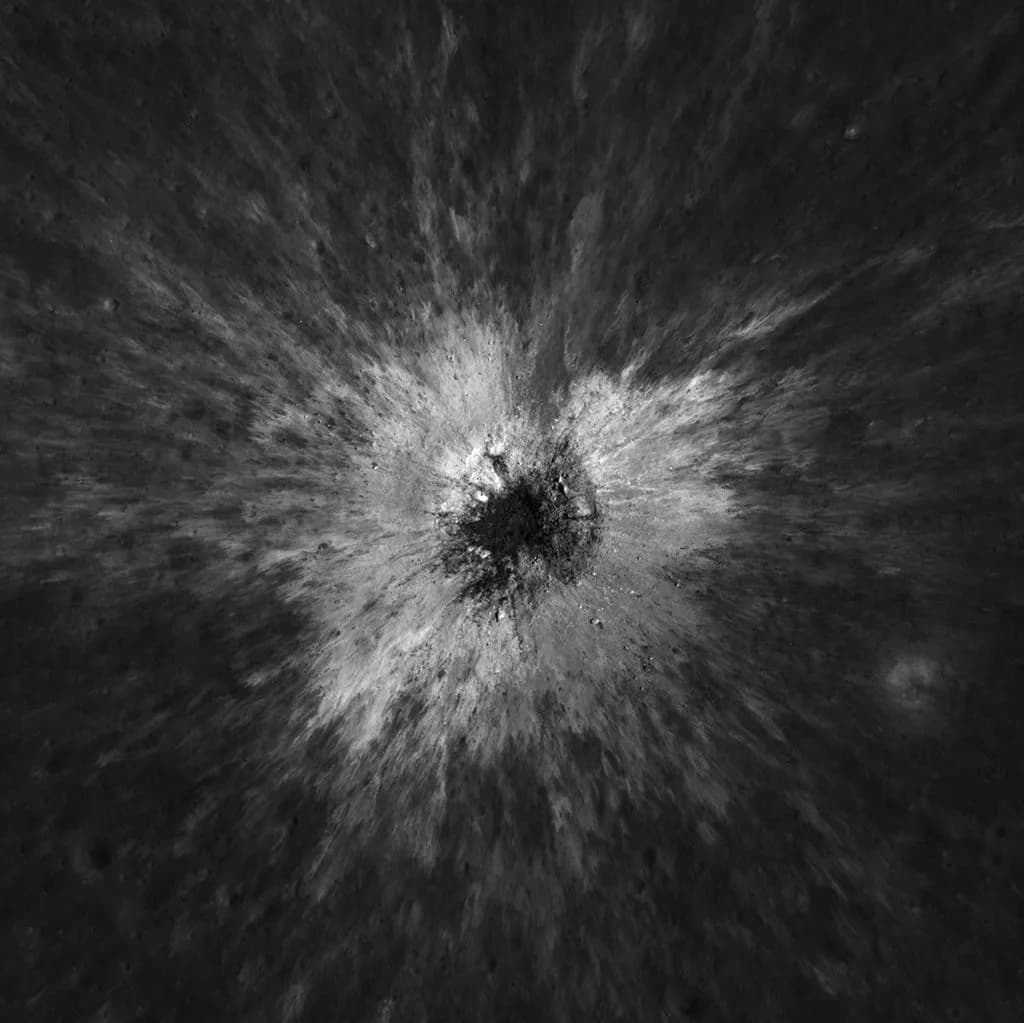
Without a thick atmosphere or active weather, lunar impact scars can remain visible for very long periods. A crater is considered recent when its morphology, ejecta, and repeat imagery support that interpretation.
Why this matters
The value of a new crater is statistical as much as visual: a larger catalogue improves models of the small-object environment around Earth and the Moon.
“The Moon is a detector that records impacts in its own surface.”
Impact record
- ▸Before-and-after image comparison.
- ▸Crater diameter and ejecta pattern.
- ▸Lighting geometry and image resolution.
Source and method notes▼
//Primary source: NASA Science.
//ViewGalaxies separates reported measurements from editorial interpretation.
//No claim in this record should be read as evidence of life unless the cited source explicitly says so.
Sources
- NASA Science— NASA lunar science and impact-monitoring resources.
Article by
ViewGalaxies Research Desk
Secure Channel
Establish Telemetry Link
Receive raw telemetry, mission updates, and deep sky discoveries delivered directly to your terminal.