EXOPLANETS
K2-18 b is chemically interesting — not a confirmed inhabited world
Webb observations found methane and carbon dioxide in K2-18 b's atmosphere, while a possible dimethyl sulfide signal still needs independent confirmation.
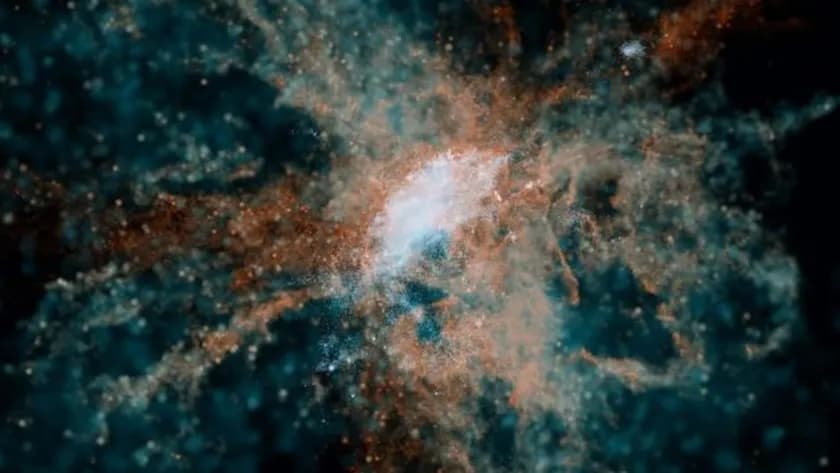
What the evidence actually shows
K2-18 b is a sub-Neptune about 8.6 times Earth's mass. NASA describes methane and carbon dioxide as detected constituents, but calls the DMS result a possible detection that requires validation. A habitable-zone orbit is a useful starting condition, not a biological verdict.
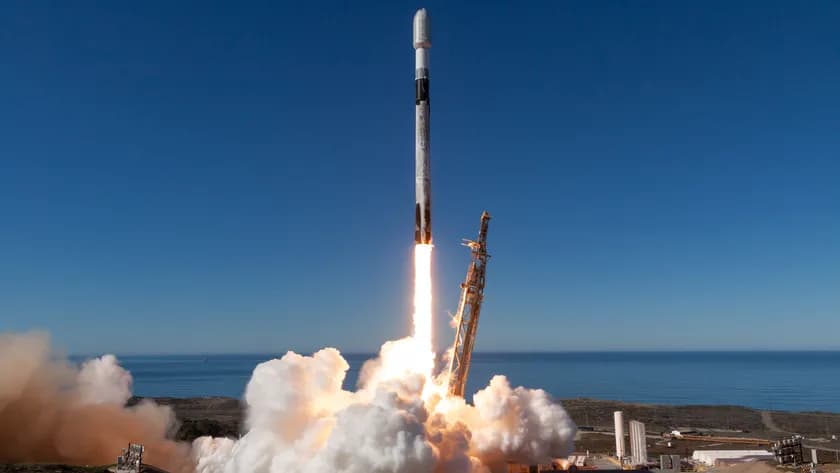
Why this matters
The important result is methodological: atmospheric chemistry can now be compared across worlds that have no surface image. The next step is repeated spectroscopy, better models of clouds and stellar activity, and a willingness to keep an exciting molecule at the level of a hypothesis until the signal survives those tests.
“A compelling spectrum is the beginning of a biological question, not its answer.”
Evidence checkpoint
- ▸Methane and carbon dioxide: reported by NASA Webb teams.
- ▸DMS: possible, not confirmed.
- ▸Habitable zone: does not prove habitability or life.
Source and method notes▼
Sources
- NASA— NASA Webb report on methane, carbon dioxide, and the tentative DMS signal in K2-18 b.
Article by
ViewGalaxies Research Desk
Establish Telemetry Link
Receive raw telemetry, mission updates, and deep sky discoveries delivered directly to your terminal.