EXOPLANETS
Exomoon candidates need repeated transits
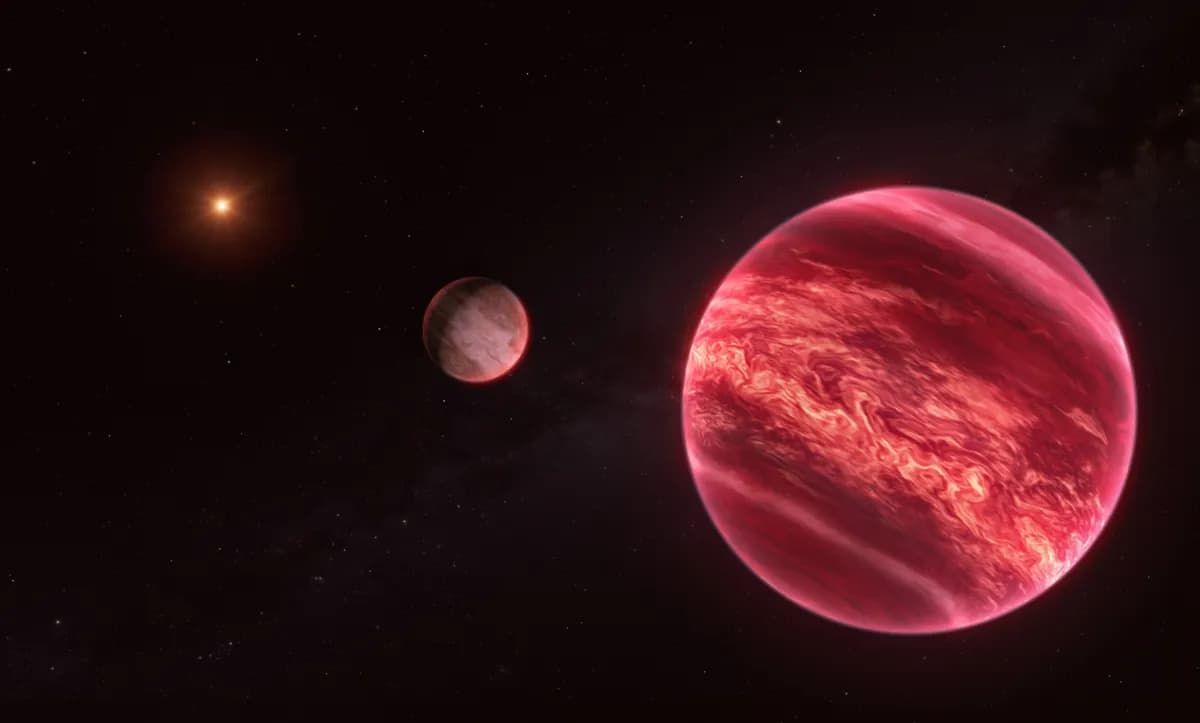
A possible moon outside the Solar System is inferred from small timing and brightness changes, so repeated observations are essential before the signal can be treated as a discovery.
What the evidence actually shows
A moon can slightly alter the timing and depth of a planet's transit, but starspots, instrumental systematics, and additional planets can mimic similar effects. The candidate must survive independent light-curve modelling and more observations.
Why this matters
The word candidate protects the science. It keeps an interesting signal visible while leaving room for a natural or instrumental explanation to be tested.
“In exoplanet science, patience is an instrument calibration strategy.”
Candidate versus confirmation
- ▸Transit timing variation.
- ▸Transit depth and shape.
- ▸Stellar activity model.
- ▸Independent repeat observations.
Source and method notes▼
Sources
- NASA Exoplanet Exploration— NASA exoplanet detection methods and candidate-validation context.
Article by
ViewGalaxies Research Desk
Establish Telemetry Link
Receive raw telemetry, mission updates, and deep sky discoveries delivered directly to your terminal.