MISSIONS
Chandrayaan-3 made lunar south-pole operations tangible
India's Chandrayaan-3 demonstrated a soft landing and rover operations near the Moon's south polar region, adding a new engineering case study to lunar exploration.
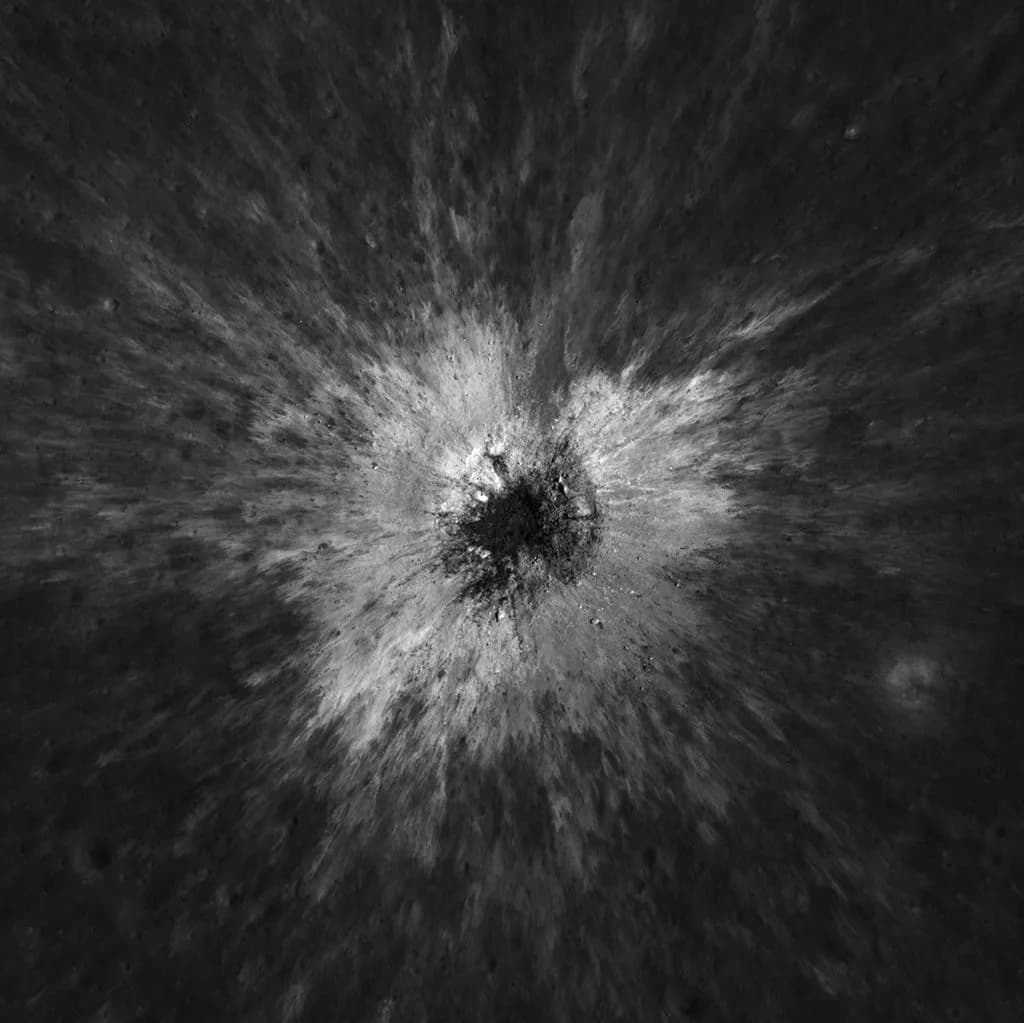
What the evidence actually shows
NASA records Chandrayaan-3 as an ISRO lander-and-rover mission that landed near the lunar south pole on 23 August 2023. Its value is both scientific and operational: controlled descent, surface mobility, and instrument work had to function together in unfamiliar terrain.
Why this matters
The mission is a reminder that exploration is often won by dependable sequences rather than a single spectacular measurement. Every landing expands the set of places future instruments can reach.
“A landing is not the end of a mission; it is permission for the surface work to begin.”
Mission context
- ▸Landing site: near the lunar south pole.
- ▸Vehicle architecture: lander plus rover.
- ▸A successful landing is an engineering result and a science-enabling result.
Source and method notes▼
Sources
- NASA Science— NASA mission record for India's Chandrayaan-3 lunar lander and rover.
Article by
ViewGalaxies Research Desk
Establish Telemetry Link
Receive raw telemetry, mission updates, and deep sky discoveries delivered directly to your terminal.